21/10/2026 15:10
Which Hole Pattern Matches? YouTube Info Cards for Cambodian Shelf-Bracket Shops
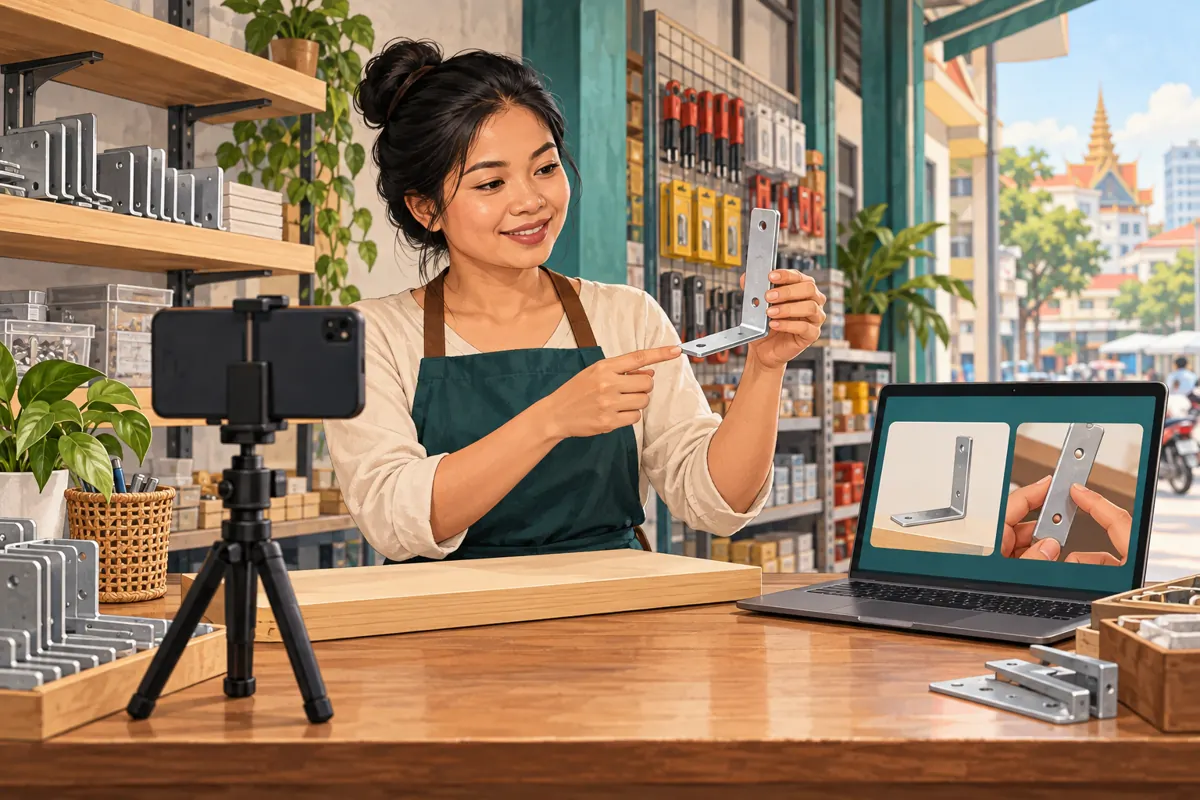
A customer watching a shelf-bracket demonstration may understand the overall shape but still need a closer look at the mounting holes. Sending that person to a general catalogue can create another search task. A carefully chosen YouTube info card can offer a relevant follow-up while the question is fresh. For Cambodian hardware shops promoting demonstrations through social posts and customer conversations, this is a practical content preparation task. The workflow below explains how to select the destination, choose the moment, check the result and evaluate any related SMM-panel proposal without treating purchased engagement as customer demand.
1. Define the question the second video should answer
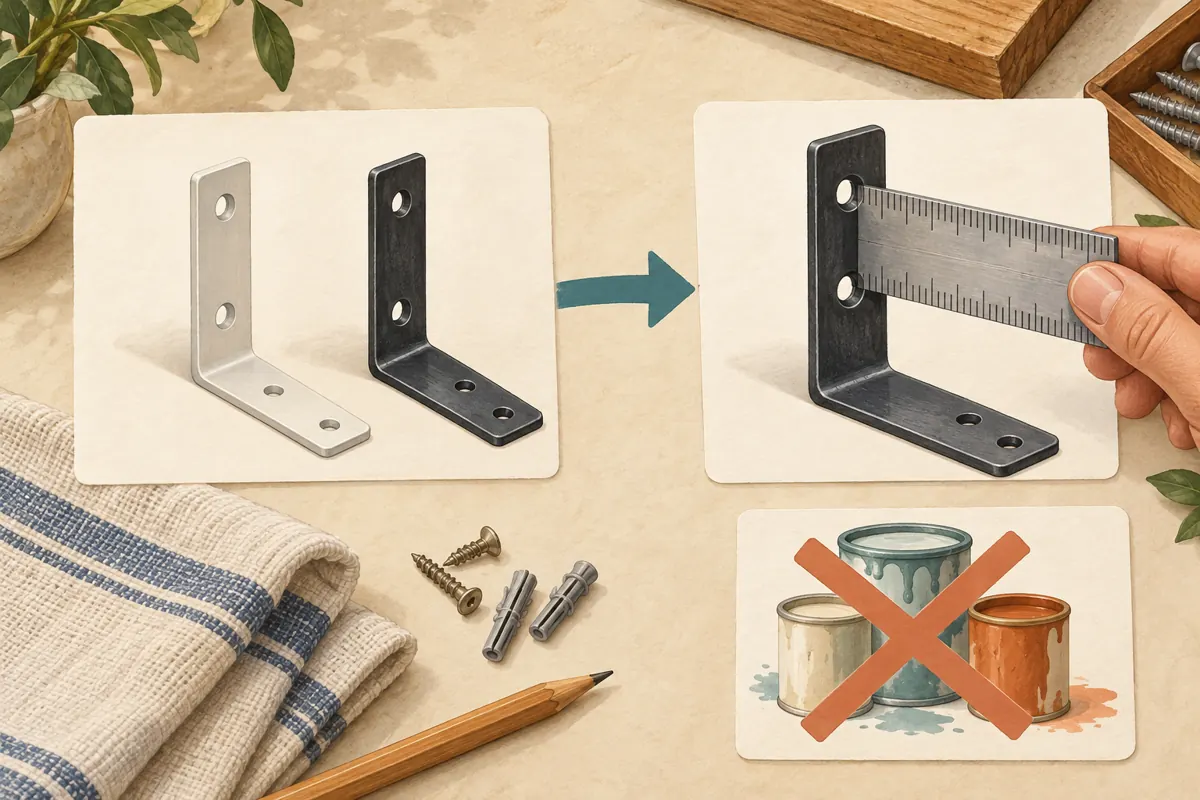
Begin with one question from the sales counter, rather than a list of videos you want people to watch. A hypothetical Phnom Penh hardware shop sells two brackets with similar finishes but different hole arrangements. Its overview helps shoppers distinguish the shapes. The useful follow-up explains how to identify the arrangement on the specific model, so customers can describe what they need when contacting the shop.
Write a short planning sentence: after seeing this part of the overview, the viewer may need this particular explanation. If you cannot complete that sentence precisely, postpone the card. A second video should resolve a separate uncertainty, not repeat the introduction with a different thumbnail. Keep the original demonstration understandable on its own; essential product qualifications should never depend on viewers opening another video.
2. Choose a destination that preserves product context
Review the proposed destination from beginning to end. Match the bracket model, finish, visible hole arrangement and terminology to the source video. A close-up of a similar-looking item can be more confusing than no follow-up at all. If the destination compares several models, make the relevant one easy to identify through consistent spoken names and clear product shots.
For the hypothetical shop, a dedicated hole-pattern explanation is a stronger destination than an unrelated paint promotion. Ask a colleague to describe what the destination teaches without reading your planning notes. If their answer differs from the promise you intend to make, revise the destination or choose another video. Also check whether the recording contains an expired offer or suggests that accessories are included when they are sold separately.
3. Check the available card type before writing the invitation
YouTube’s official guidance says video cards can point to public YouTube videos, while playlist cards can point to public playlists. External website link cards require participation in the YouTube Partner Program. Cards are unavailable on videos designated made for kids. Confirm the applicable options before promising viewers a particular route.
For this workflow, start with a public explanatory video that directly answers the bracket question. Avoid making the invitation sound like an order form if the destination is another demonstration. A customer who expects to request a quotation should not arrive at a general product montage. Keep your contact instructions separate and specific, including what information the shop needs to identify the item. The goal is a coherent viewing path, with every step accurately described.
4. Place the invitation after viewers can see the detail
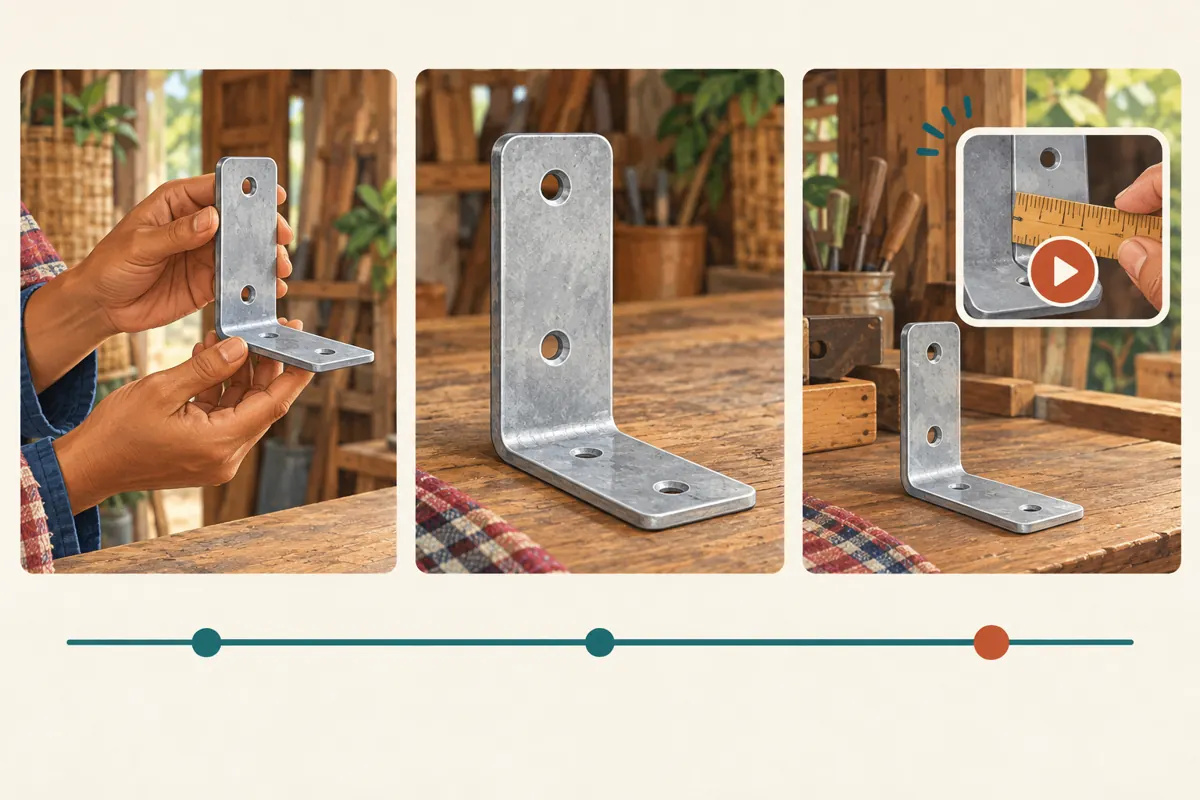
Watch the source video without pausing and note when the viewer first understands the difference between the brackets. An invitation before that point may lack context. An invitation during a brief close-up may compete with the very detail the customer needs to inspect. A useful editorial starting point is the natural pause immediately after the comparison becomes clear.
In the hypothetical demonstration, the presenter holds each bracket steadily, identifies the visible difference and then mentions the separate measurement explanation. Place the proposed card around that transition and review the sequence again. This is an editorial choice, not a universal best timestamp or a promise of higher engagement. If the explanation already answers the question fully, the optional destination may be unnecessary. Leave space for viewers to finish understanding the current shot.
5. Write a narrow, honest promise
Use the invitation to name the information viewers will receive. For example, a hypothetical English planning draft might say, “See the hole-spacing explanation for this model.” Staff can adapt that sentence into natural Khmer for a Khmer-speaking audience while keeping the model reference consistent. Avoid vague phrases such as “the secret you need” when the destination is a straightforward product explanation.
Make sure the promise fits the scope of the recording. Showing dimensions does not establish a bracket’s suitability for every wall, shelf or intended load. Do not turn a simple identification video into an unsupported installation assurance. Where a decision requires product documentation or an installer’s assessment, explain that boundary in the content itself. The invitation should help customers find relevant information without suggesting that one close-up settles every purchasing question.
6. Add the card and check the saved configuration
On a computer, open YouTube Studio, select Content and choose the source video. Open Editor, select Info cards and add the appropriate card. Choose the destination, adjust the start time, add relevant optional text and save. YouTube allows up to five cards per video; that limit is not a reason to fill every available slot.
For a first review, use one clear destination and record the source title, destination title and intended moment in a simple working note. Open the selected destination again before finishing. Similar thumbnails and near-identical titles can make a mistaken selection easy to overlook. Have another staff member compare the saved choice with the physical product or approved product reference. This catches a wrong-model link before the demonstration is shared more widely.
7. Test the customer journey on the devices you use
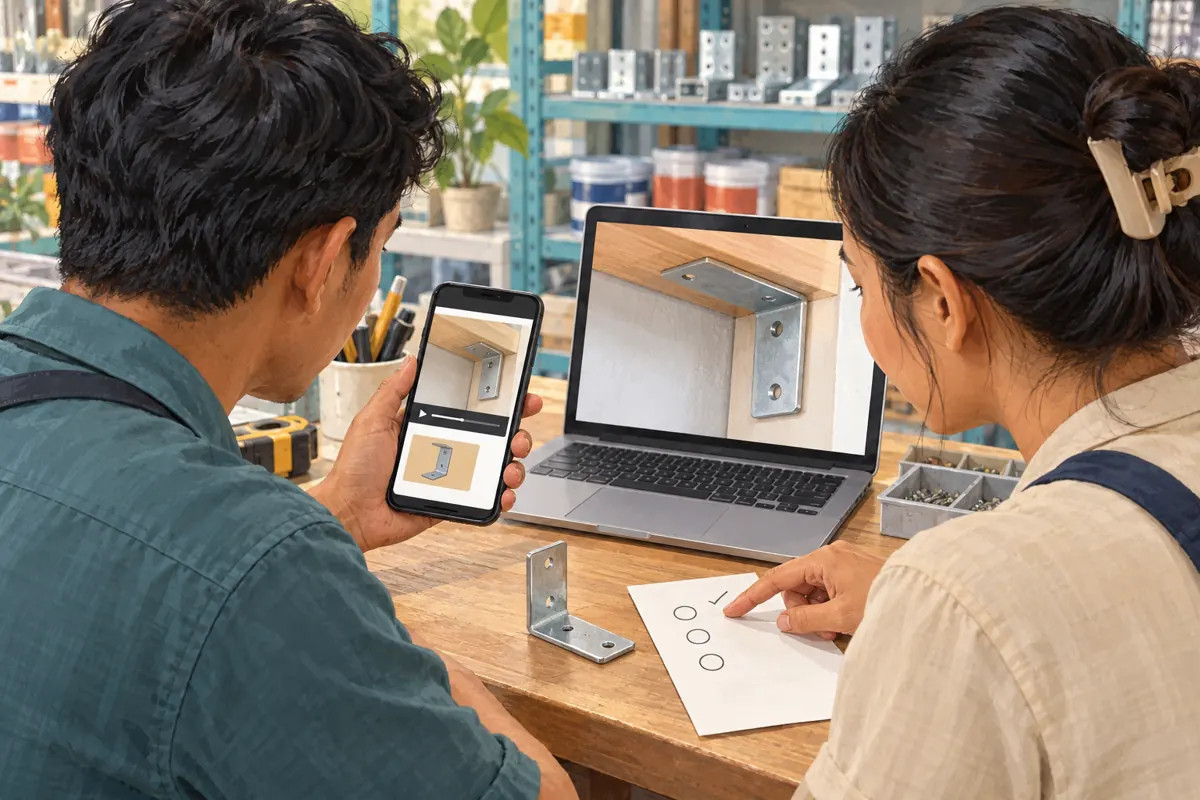
Open the published viewing page and follow the route as a customer would. Check a phone and a computer where available, recording the app or browser used. Watch the relevant passage, look for the card interaction and follow it to the destination. YouTube notes that presentation can depend on viewer behaviour and device, and certain Content ID campaigns can prevent cards from appearing.
A successful test means more than finding something clickable. Confirm that the destination opens, identifies the correct bracket and explains the promised detail clearly on a small screen. Ask the tester what they would tell the shop after watching. If they still cannot distinguish the model, improve the explanation. If a card does not appear, record the viewing conditions and inspect the configuration before changing several things at once. One device test cannot establish what every customer will experience.
8. Review SMM services against the actual task
The supplied bongsmm.com catalogue includes the exact listing “YouTube Like ~ Max 50k ~ 50k/days ~ Instant ~ 𝐍𝐎 𝗥𝗘𝗙𝗜𝗟𝗟”. Its title identifies it as a likes offering, but the supplied description is empty. There is no supporting description here establishing its delivery method, audience location or suitability. Treat the numerical and timing wording as catalogue claims, not verified results. This listing does not establish that card setup or destination testing is available.
YouTube prohibits artificial increases in engagement and warns that a hired promoter’s actions can affect a channel. Its policy also identifies misleading info cards as a prohibited example. Decline proposals that depend on artificial metric inflation or deceptive destinations. Purchased engagement is not evidence of genuine interest, sales, ad delivery or Cambodian users. For this task, staff time spent improving the explanation and checking the viewing path has a clear deliverable; an increased like count cannot demonstrate that work was done.
9. Record evidence that can answer the business question
Define what you hope to learn before reviewing results. For the hypothetical shop, a useful question is whether customers can identify the bracket model and provide the required measurements more clearly. Keep brief notes on recurring misunderstandings, such as customers naming the finish but omitting the model. Avoid copying private customer details into a shared editorial document.
Record content changes separately from enquiry outcomes. If staff revise the destination, change the spoken invitation and begin sharing the video in customer chats during the same period, an increase in enquiries cannot be attributed confidently to the card alone. A customer saying they watched the explanation is useful context, but it still does not prove the card caused a purchase. Use the observations to decide what needs clarification rather than inventing a success percentage.
10. Maintain the connection as products and explanations change
Assign someone to recheck the link whenever the bracket range, destination video or source demonstration changes. A previously useful close-up may become misleading if it shows a discontinued model without explaining that context. Review both ends of the connection: what the source promises and what the destination now delivers. If the match no longer holds, update or remove the card.
Common mistakes include choosing the most popular video instead of the most relevant one, interrupting the key product shot, using an invitation broader than the destination’s content and assuming a saved card has been tested. Another mistake is treating clicks or likes as completed enquiries. Keep a short correction note describing the specific problem and the action taken. That record helps the next staff member maintain a useful route without reconstructing the whole editorial decision.
Frequently asked questions
Should every bracket demonstration include an info card?
No. Add one when a separate explanation answers a likely follow-up question. If the current video already covers the subject clearly, another destination may add effort without helping the customer. Start with the information gap and then decide whether a linked video is the right way to resolve it.
What if the best destination uses a different language?
Check whether the intended audience can understand the explanation before linking it. A visually clear close-up may still depend on spoken distinctions between dimensions or models. Ask a fluent colleague to review the meaning, and prepare an appropriate explanation or translation where needed. Keep genuine model names consistent across versions.
Can a likes service confirm that the card worked?
No. A like count does not establish that someone opened the card, understood the destination or contacted the shop. A service order record can document what was requested, but it cannot prove customer comprehension or sales. Evaluate the actual viewing path and the substance of enquiries separately.
What should we do if customers still ask the same question?
Identify the exact missing detail before adding more links. Ask a colleague unfamiliar with the edit to watch both videos and explain the difference between the products. The problem may be an unclear camera angle, inconsistent terminology or a destination that answers a different question. Revise the explanation that causes confusion.
How often should a small shop repeat the check?
Use practical triggers: a new model, an updated destination, a changed offer or a customer report of a broken route. Include the connection in your normal content review as well. Recheck after any correction, and note which device and viewing route you tested so colleagues understand the scope of the check.
Explore the current service catalogue, create an account, or ask a specific question through support tickets.
Prepared with AI assistance. Illustrations explain the workflow and do not represent customer results.