22/10/2026 10:23
Free Sample or Sponsored Demo? YouTube Disclosure for Cambodian Drill-Bit Shops
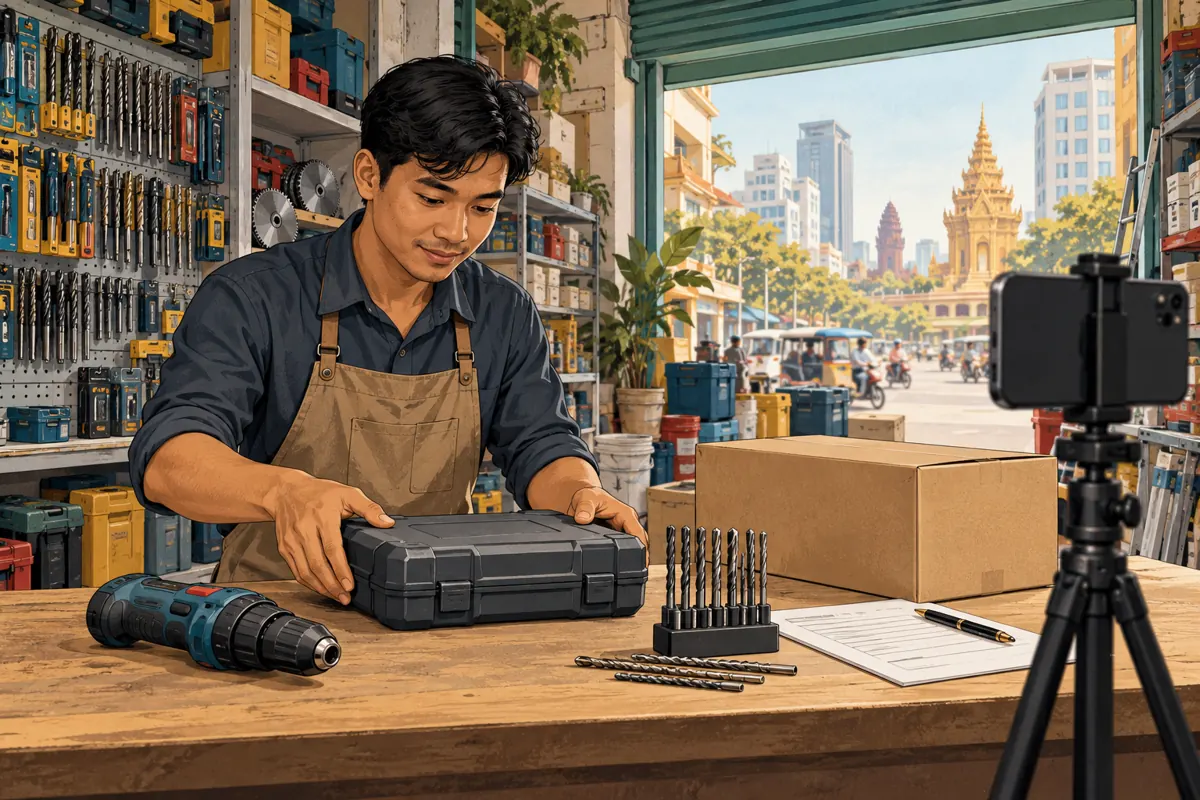
A supplier offers your Cambodian hardware shop a drill-bit sample and asks for a YouTube demonstration. Your team knows how to show the product, but another question comes first: what should viewers know about the arrangement? A useful video explains both the tool and the relationship behind its appearance. This guide follows a hypothetical Phnom Penh shop preparing a supplier-supported demonstration, from accepting the sample to reviewing enquiries after sharing the video. It also explains where an SMM-panel decision belongs in that workflow, without treating purchased engagement as customer interest or a substitute for clear promotion.
1. Record what the supplier actually offered
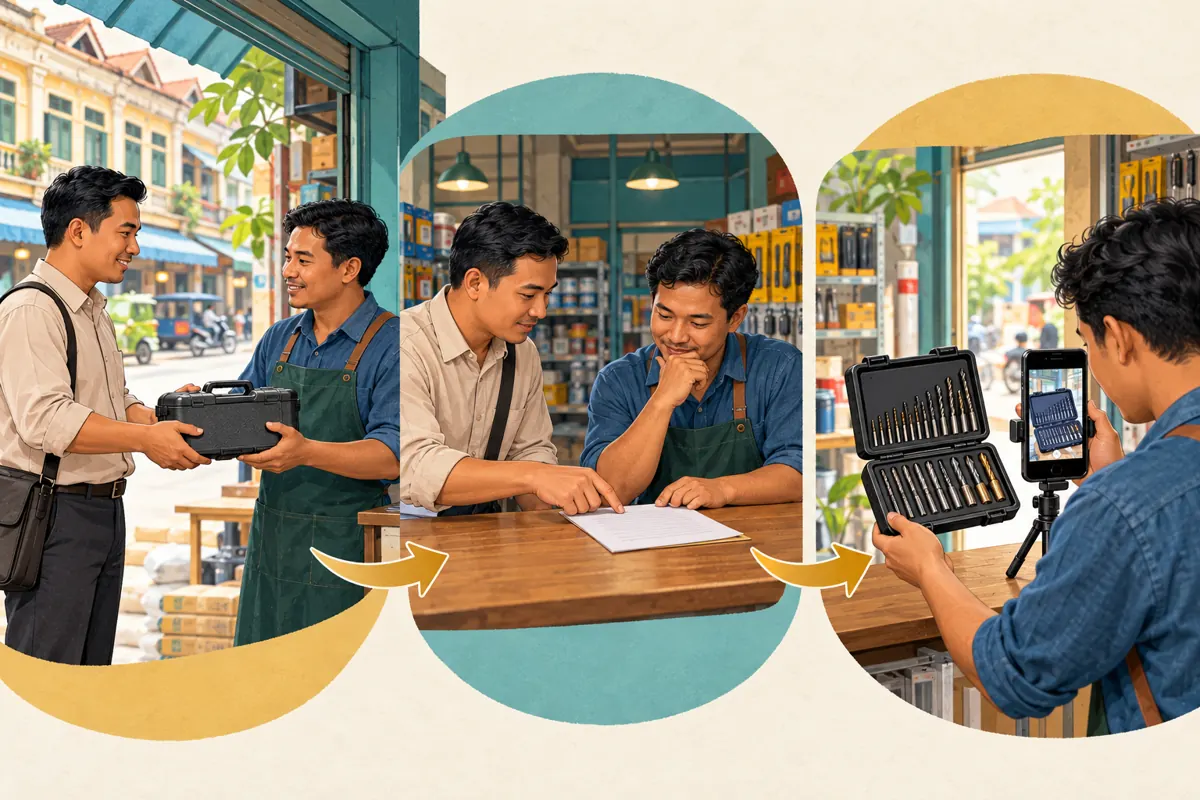
Start with a short arrangement note before writing the script. Record who supplied the item, whether the shop keeps or returns it, whether money changes hands, and what the supplier expects in exchange. Include promised mentions, requested links, publication dates and any right to review the draft. A verbal request to show the product can otherwise become a disagreement about a promised recommendation.
In our hypothetical example, a Phnom Penh supplier provides a drill-bit set that the shop may keep in exchange for a demonstration. The supplier requests a brand mention but does not buy a positive verdict. Record those facts separately. If a colleague later edits the video, they should understand that receiving the sample and recommending it are different decisions. Keep the arrangement note with the script and sample identification, so a similar-looking retail set does not accidentally replace the supplied item during filming.
2. Decide whether the arrangement is branded content
YouTube’s Branded Content Policies describe content influenced by a brand partner in exchange for something of value, including payment or free products. They require creators to declare branded content in Studio. For the hypothetical sample-for-demonstration arrangement, the sensible decision is to treat the video as branded content and disclose the exchange. The absence of a cash payment does not make the supplied product irrelevant.
Use a simple decision process: identify the benefit, identify the requested content, then check whether the two are connected. Ordinary stock purchased by the shop and a supplier-provided promotional sample have different circumstances. If the supplier’s expectations are unclear, settle them before filming. Ask whether the sample is conditional on coverage and whether any later benefit depends on publication. This is a platform-focused editorial workflow; it does not establish that a particular disclosure satisfies every applicable Cambodian legal requirement.
3. Write an opening that explains the relationship
Draft the disclosure alongside the first explanation of the product. For this hypothetical arrangement, suitable English wording would be: “The supplier provided this drill-bit set free for this demonstration. Our shop sells this range. We will show the sample and explain what we checked.” Use only statements that match the agreement. Do not add “the supplier had no influence” if the supplier selected the script or required particular conclusions.
For a Khmer-speaking audience, have the presenter express the same facts naturally in Khmer and check the meaning with another fluent speaker. Keep product codes intact while translating the relationship accurately. As an editorial practice, make the disclosure easy to hear and see before the recommendation begins, and repeat its substance near the beginning of the description. Avoid vague language such as “special thanks” when the actual arrangement is a free product supplied in exchange for coverage.
4. Separate the demonstration from unsupported claims
Choose one buyer question the video can answer responsibly. The hypothetical shop might explain how to identify the supplied set and read its stated specifications. That is a manageable subject. A broad claim that the set lasts longer than every competing product would require evidence the shop probably does not have. Write down the difference between information printed on the packaging, observations made during filming and conclusions requiring further testing.
Build the shot list around those distinctions. Show the relevant product markings clearly, identify any demonstration material and describe limitations without turning the video into a performance contest. If you film tool operation, follow the manufacturer’s instructions and appropriate workshop precautions. Keep the original footage and a brief note of what was demonstrated. Supplier approval should not convert a limited observation into a universal promise, and an attractive edit should not conceal a result that contradicts the narration.
5. Set the disclosure on the correct YouTube video
On a computer, open YouTube Studio, select Content and choose the relevant video. Expand the additional details if necessary, find the paid promotion or branded content declaration, select the applicable option and save. YouTube’s current help pages use both terms, so follow the meaning of the control rather than expecting identical wording on every screen. The declaration adds a disclosure label at the beginning of the video.
Check the video title and preview before making the change, especially if the channel contains several similar tool demonstrations. Reopen the details afterward to confirm the setting was saved. Add a dated completion note to the production record. Treat this as a separate task from adding the shop’s own spoken explanation: one tells YouTube about the relationship, while the other explains the actual arrangement in language the intended viewer can understand.
6. Review the published viewing experience
Before wider distribution, ask a colleague who did not negotiate the arrangement to review the opening on a phone. Give them three questions: who provided the sample, what did the shop receive, and what does the demonstration establish? If they cannot answer, improve the explanation. This comprehension check is more useful than asking whether the video looks professional, because a polished presentation can still leave the commercial relationship unclear.
Review the description, spoken introduction and visible product together. Confirm that they refer to the same set and supplier. Listen for workshop noise covering the disclosure, and check whether a graphic disappears before it can be read. Keep captions clear of important product markings. For Cambodian customers who may encounter the video through a shared chat link, the opening should make sense without an accompanying sales message or a previous conversation with the shop.
7. Review SMM-panel options without confusing them with disclosure
A catalogue entry supplied for bongsmm.com is “YouTube Like ~ Max 50k ~ 50k/days ~ Instant ~ 𝐍𝐎 𝗥𝗘𝗙𝗜𝗟𝗟”. Its title identifies a likes offering; the brief supplies no supporting description. Do not treat its speed, capacity or other wording as verified performance. More fundamentally, a likes service cannot document a supplier relationship, explain a tool specification or establish that Cambodian buyers want the product.
YouTube’s Fake Engagement Policy prohibits artificially increasing views, likes, comments and other metrics. It also warns that a promoter’s actions can affect the channel. If a proposed panel service would artificially inflate engagement, do not use it for this campaign. Do not put promotional links to artificial-engagement services in the video or its description. Purchased engagement is not evidence of genuine interest, sales, ad delivery or Cambodian users. A supplier-supported video and a purchase intended to increase its counters are separate decisions.
8. Give the distribution brief a useful business purpose
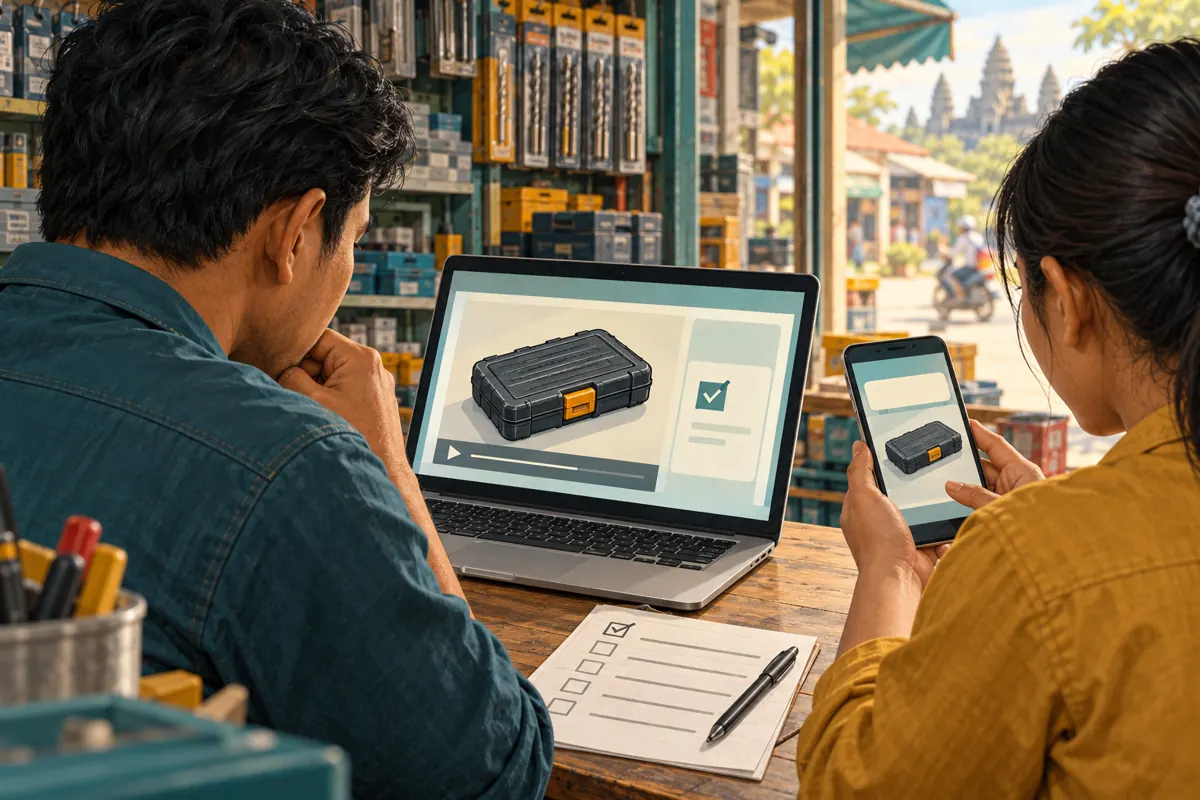
Prepare a short brief for whoever shares the finished video. Include the approved public URL, the exact product shown, the disclosure wording and the buyer question the video answers. State what viewers should do next: for example, send the shop their tool model and intended material for a compatibility discussion. Avoid a general instruction to “make it popular”, which gives a promoter little guidance about useful enquiries.
For the hypothetical shop, an appropriate sharing message could explain that the supplier-supported video shows the sample set and that availability needs confirmation before collection. Share where the subject is relevant and promotion is permitted. Give the supplier the approved wording too, so a repost does not describe the demonstration as an independent comparison. If the supplier wants a shorter excerpt, review that excerpt as a separate piece of communication rather than assuming the original opening will accompany it.
9. Keep supplier delivery and customer response separate
Maintain separate records for the agreement, the completed video and subsequent enquiries. The agreement record answers whether the shop delivered the promised demonstration. The publication record identifies the video and disclosure review. The enquiry record captures what prospective buyers actually asked. Combining these into a single success score can hide an important distinction: completing a supplier commitment does not establish that the campaign generated sales.
In a hypothetical enquiry, a viewer asks whether the set matches their drill and whether individual sizes are available. Record that as a product question, then record any later quotation or confirmed order separately. If someone says they found the shop through YouTube, note that as a self-reported source. Do not assume every enquiry received after publication came from the video. Review recurring questions for missing explanations, while keeping customer contact details out of screenshots shared with suppliers or promoters.
10. Correct mistakes before extending the campaign
Common mistakes include calling a free sample an ordinary purchase, using a vague thank-you instead of explaining the exchange, marking the wrong upload and cutting the disclosure out of a shorter edit. Another is allowing supplier wording to imply that the shop tested durability when it only inspected the packaging. These errors need specific corrections; extra views cannot resolve them.
If you discover a problem, pause further sharing while you assess it. Correct the declaration or description where appropriate, and revise or replace misleading footage when a text change cannot repair the message. Tell colleagues which version is approved before they continue distribution. Preserve a short note explaining what changed and why. If the commercial arrangement later changes, review the affected content again. A useful campaign record lets the next staff member understand the relationship without reconstructing it from scattered supplier messages.
Frequently asked questions
Does a free sample matter if the supplier pays no money?
Yes. YouTube’s branded content definition includes exchanges involving free products. In the hypothetical arrangement here, the supplier provides a set specifically in return for a demonstration. Record that exchange and disclose it. If an unsolicited item arrives without clear expectations, establish the facts before deciding how to use it in promotional content.
Is YouTube’s disclosure label enough to explain the arrangement?
The label identifies commercial content, but it does not tell viewers exactly what the supplier provided. Add a straightforward explanation that fits the facts, such as receiving the demonstrated set free. YouTube also places responsibility on creators for clear, prominent disclosure and applicable legal obligations; selecting a setting is not a universal compliance certificate.
Can the supplier check the video before publication?
Agree on the scope of review in advance. A practical arrangement lets the supplier flag an incorrect product code or specification while leaving the shop responsible for its observations. Keep requested changes in writing. If the supplier requires a claim the shop cannot support, revise the agreement or decline that claim rather than presenting it as a tested conclusion.
Does selecting paid promotion buy advertising?
No. The declaration tells YouTube about the commercial relationship in the content; it is not an advertising purchase. Record any later advertising arrangement separately, including its actual delivery evidence. Neither the disclosure setting nor an SMM-panel order demonstrates that a campaign reached Cambodian buyers or produced a sale.
What should the shop report if the video receives few enquiries?
Report what happened without filling the gap with purchased engagement. Confirm the promised video was completed, describe the genuine questions received and identify uncertainties about attribution. Then review whether the topic, product explanation and enquiry instructions were useful. A supplier can assess a clearly documented demonstration even when there is insufficient evidence to claim a business result.
Explore the current service catalogue, create an account, or ask a specific question through support tickets.
- YouTube Help: YouTube Branded Content Policies
- YouTube Help: Add branded content restrictions and disclosure labels
- YouTube Help: Fake engagement policy
Prepared with AI assistance. Illustrations explain the workflow and do not represent customer results.